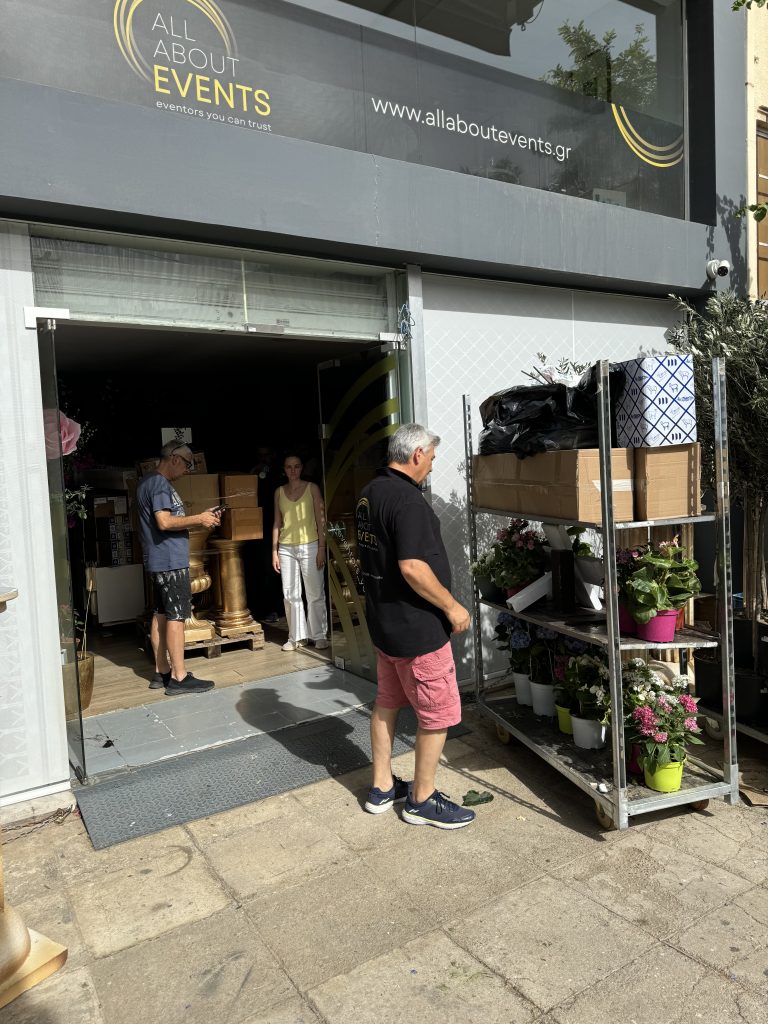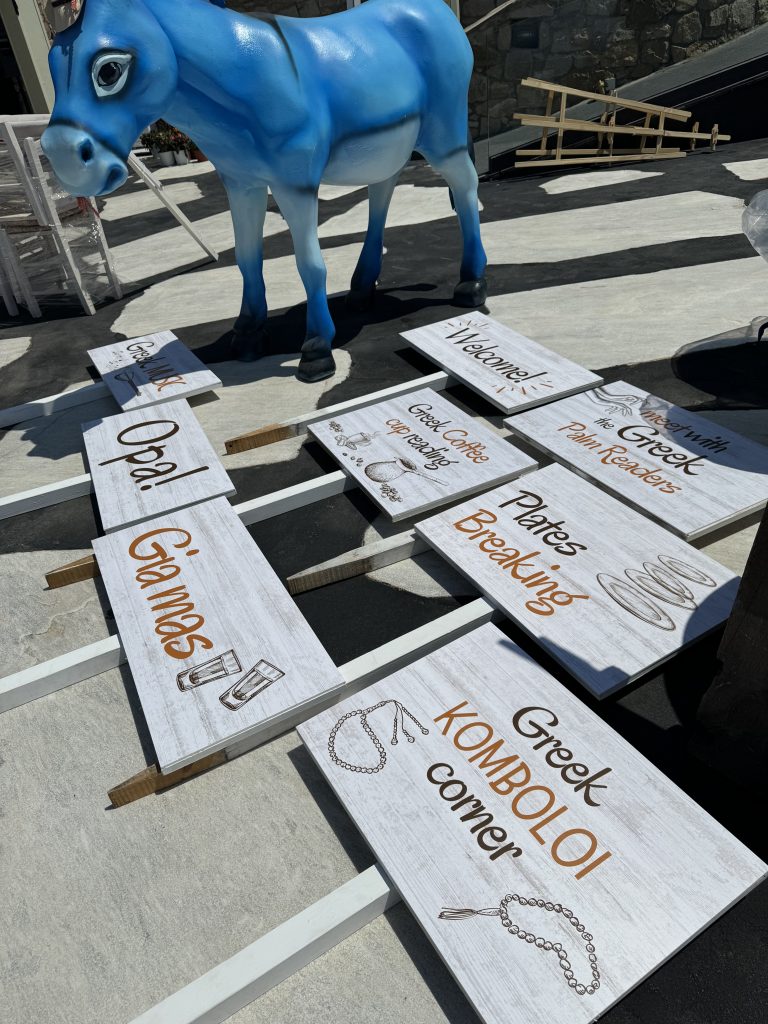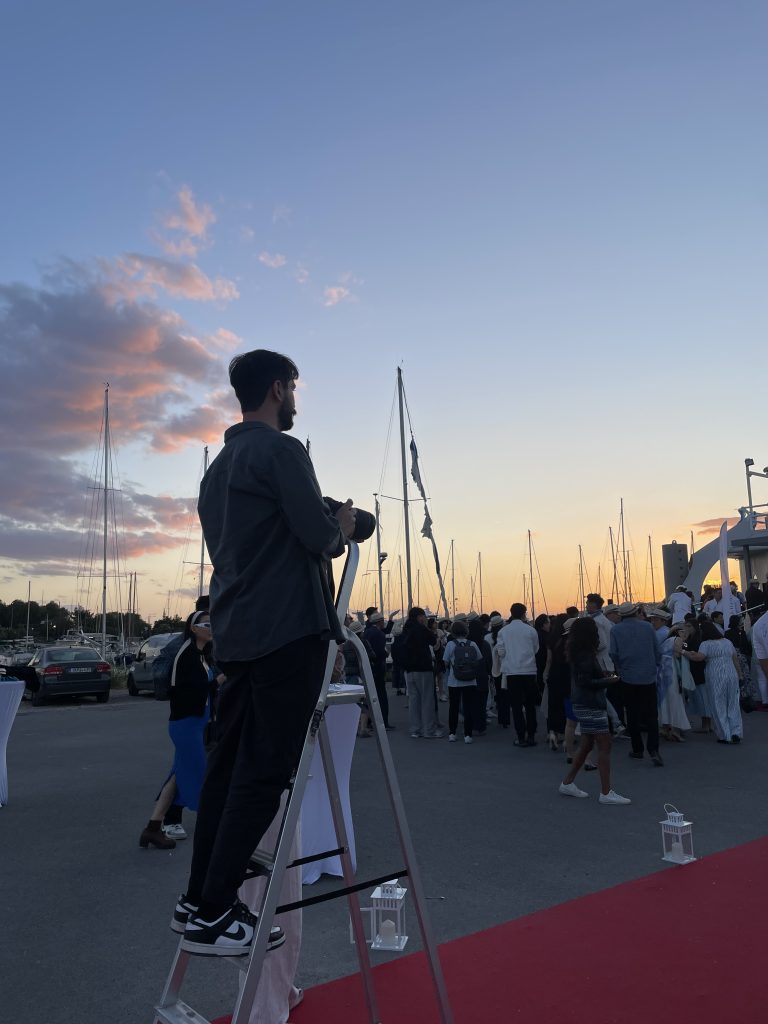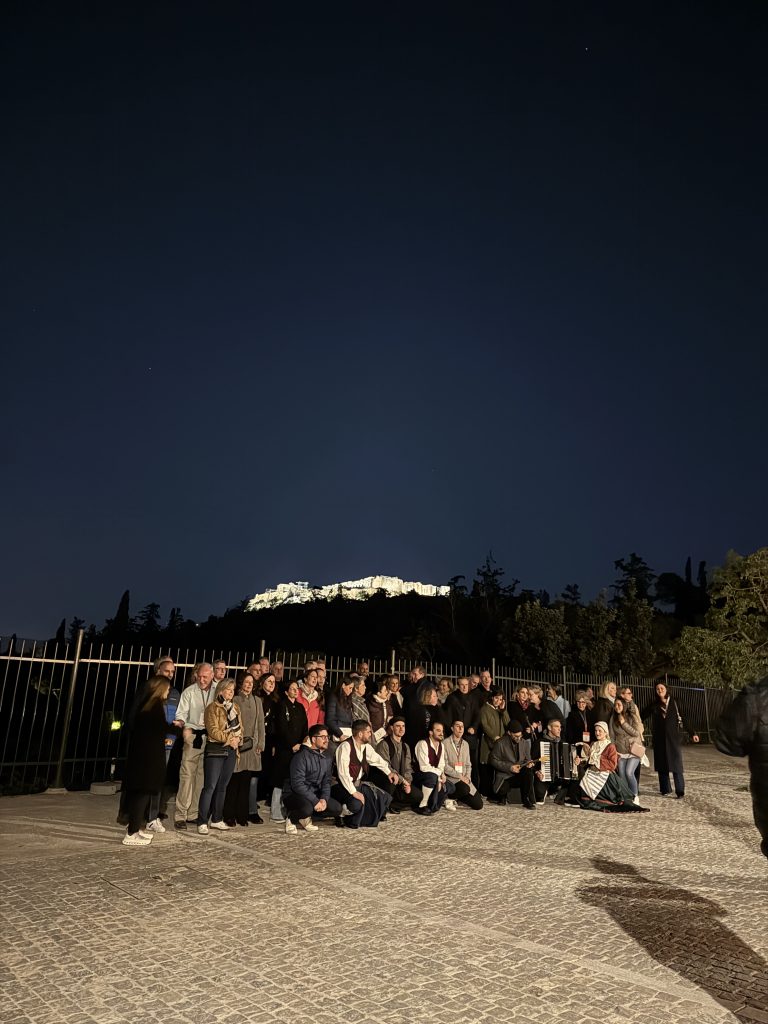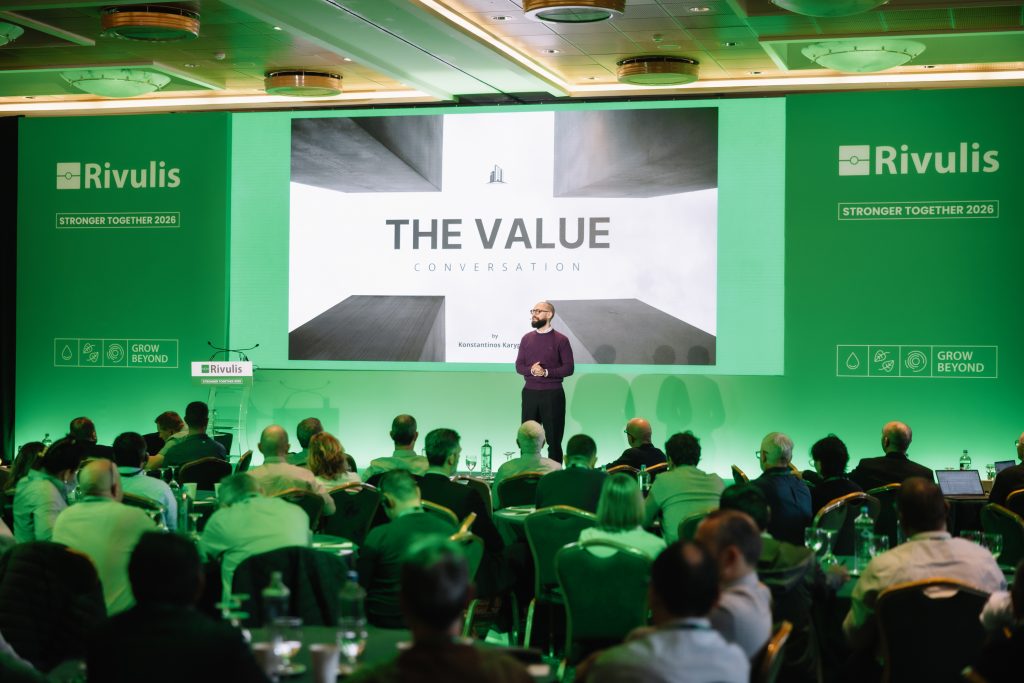
If your company is planning a corporate or international event in Greece and managing it remotely, the decision that matters most may not be the venue or the hotel. It may be whether you have a local partner on the ground. In this article, we share what we learned supporting an 800-guest, 8-day international event in Greece. We explain why communication across vendors, languages and working cultures became the real challenge, and what an experienced local team does when things don’t go to plan.
Why does a local event partner matter?
At a live event, problems have to be solved as they happen. A local partner knows who to call, speaks the same language as the suppliers, and can step in on the spot rather than from a distance. On a large, multi-day event, that is often what keeps a small issue from becoming a serious one.
The Challenges of Managing an International Event Remotely
When organizing an event abroad, many companies choose to manage things remotely or rely on multiple vendors. On paper, it can seem efficient: venues are booked, hotels are secured, and communication is already in place.
But what happens when things don’t go according to plan?
Case Study: An 800-Guest, 8-Day International Event in Greece
In March, we supported a large-scale international event in Greece for a global company, welcoming 800 guests over 8 days.
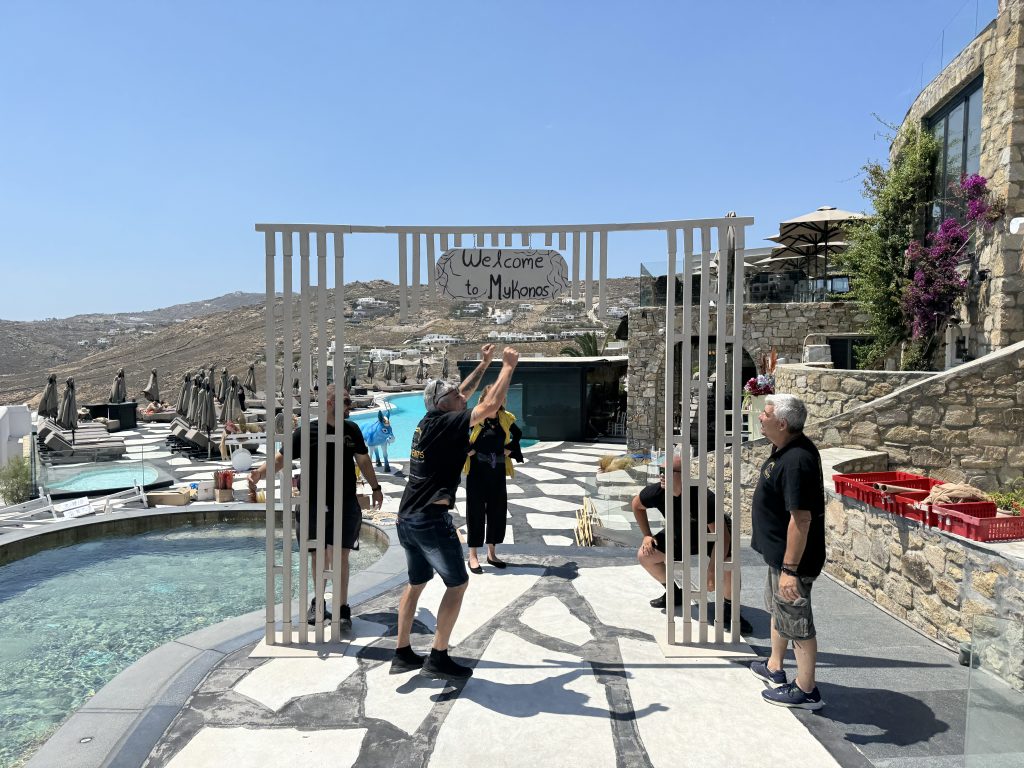
How the event was structured
The program was complex:
- Guests were split into two groups
- There were multiple thematic dinner nights
- There was a full program of tours and experiences
- Several vendors were involved across different areas
What was already in place when we joined
By the time we joined the project, the client had already:
- Selected venues and hotels
- Established direct communication with suppliers
- Structured a large part of the event logistics

Our original scope
Our role at All About Events was initially focused on three areas:
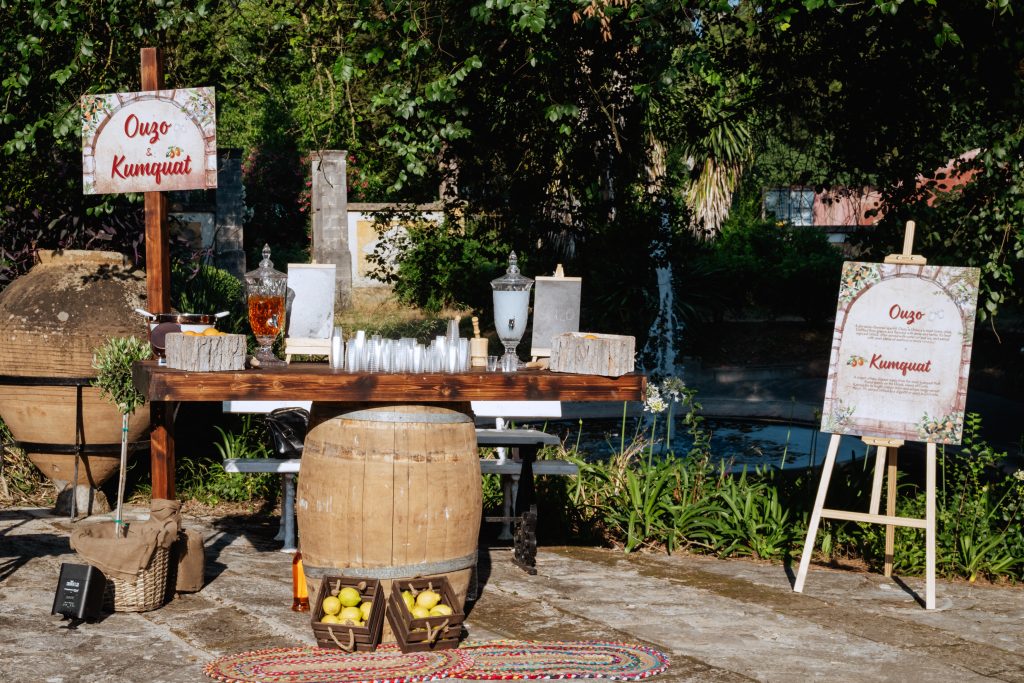
- Designing and executing the thematic dinners, including entertainment, musicians and activations
- Supporting part of the branding experience
- Organizing and managing the tours
What Happened on the Ground
As the event approached, and especially during the eight days of execution, communication challenges quickly became apparent.
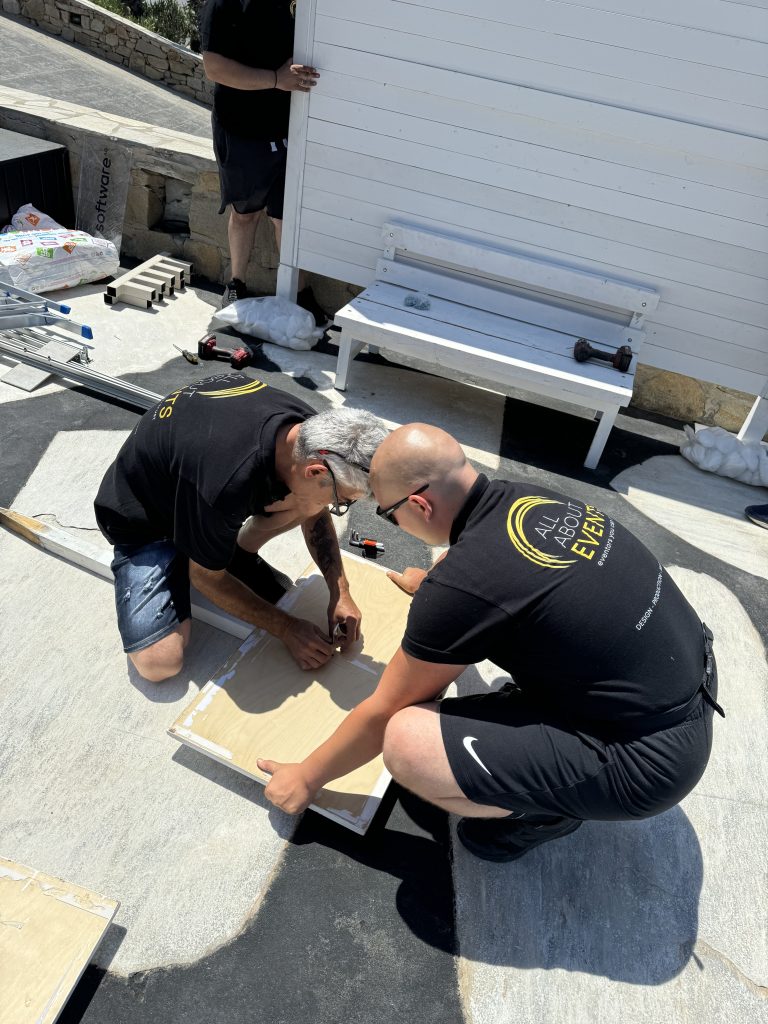
A local team doesn’t just “support execution.” They understand how things actually work behind the scenes. In practice, a local event partner knows:
- Who to call to solve an issue immediately
- How to navigate local vendors and ways of working
- How to prioritize solutions under pressure
Most importantly, they can step in in real time, not from a distance.
Beyond the Brief: When the Scope Changes On-Site
Although our initial scope on this project was specific, we naturally stepped beyond it. We supported wider coordination, resolved miscommunication between parties, and helped keep the overall guest experience seamless.
Because that’s what local partners do. They take ownership when it matters most.
Events rarely go exactly as planned, especially large, multi-day, international ones. What defines success is not the absence of problems, but how quickly and effectively they are solved.
What a Local Event Partner Brings to an International Event
For companies planning an event in Greece from abroad, having a local partner means:
Faster decision-making. Issues can be addressed directly on the ground as they arise.
Clearer communication. Discussions with local suppliers can take place directly, in the same language and with a better understanding of local ways of working.
Better outcomes for everyone involved. That includes guests, the client team and the vendors themselves.
When Should You Bring in a Local Partner?
Ideally, at the very beginning, before venues, hotels and supplier relationships are set. In this project, we joined after much of the planning was already in place, and our involvement on the ground still went beyond our original brief.
Bringing in a local team from the start gives them the chance to prevent communication gaps rather than solve them under pressure.
A Final Thought From the Last Day
On the last day of the event, we were sharing thoughts about the work with one of the client’s team members, and both of us agreed:
“You should always hire a local office at first, and let them fight your battles for you. When disagreements are discussed in the same language, solutions come faster and usually better.”
Many hugs and thank-yous followed that conversation.
Conclusion: A Strategic Decision, Not Just an Operational One
Choosing a local partner is not just an operational decision. It’s a strategic one.
Because when everything is on the line, you don’t just need suppliers. You need people who know how to navigate, solve and deliver.
Planning an international event in Greece? At All About Events, we work as a local partner on the ground. We design thematic dinners and tours and support branding, and we step in to help with coordination when it matters most. If you’d like to talk through your plans, we’d be glad to hear from you.